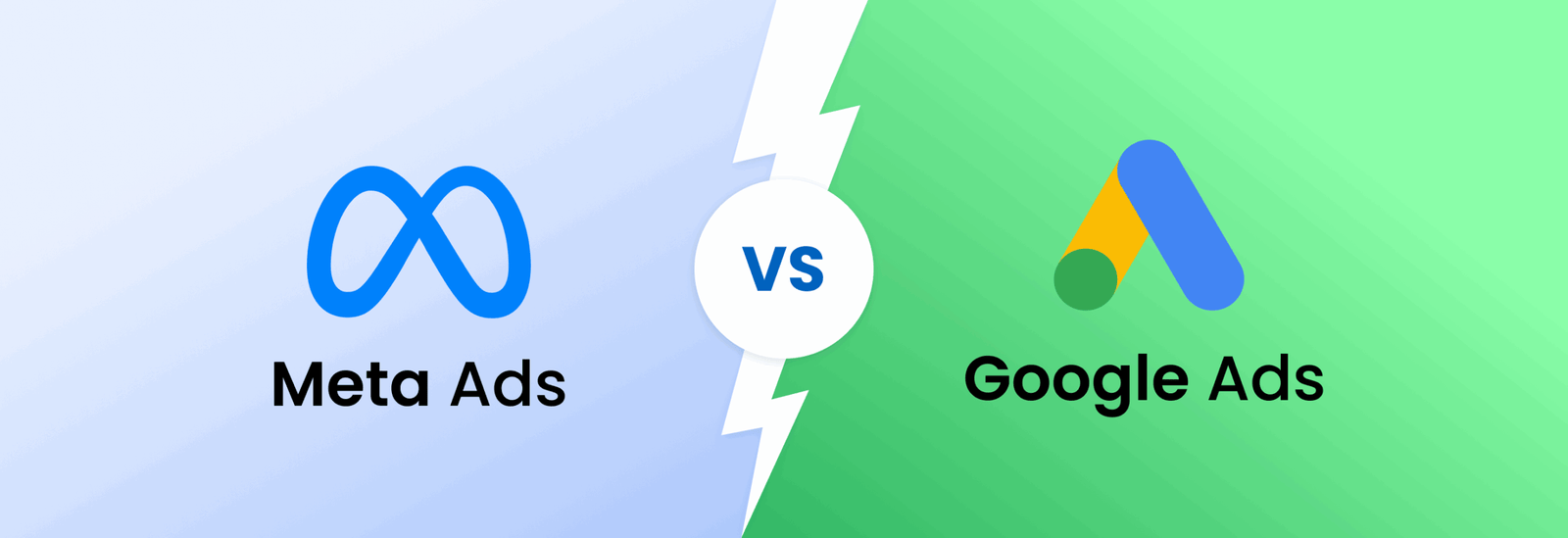
Your Meta campaigns dropped 40% overnight, but your Google campaigns barely moved—nothing changed in your account, yet performance is chaos on one side and calm on the other. That gap is often explained in one word: algorithms.
Both Meta and Google are now AI-first ad platforms, constantly tweaking how they evaluate users, auctions, and creative, but they roll out changes at different speeds and with different levels of transparency.
For PPC and marketing managers, that means you’re not just managing campaigns, you’re managing the rhythm of two very different systems. In this article, we’ll break down how often these updates really happen, how Meta VS Google think about algorithm changes, the typical impact patterns, and a practical adaptation playbook you can plug into your accounts. The goal: help you recognize patterns early, adapt in weeks, not months, and prevent the next update from tanking your results overnight.
Meta’s ads stack is now in a near-continuous update cycle, with weekly or even daily micro-tweaks to delivery, creative evaluation, and targeting layered on top of larger structural shifts like the Andromeda retrieval algorithm in late 2024 and its 2026 refinements. These micro-updates rarely get formal announcements, but they change how quickly creative burns out, how learning behaves, and how sensitive results are to edits across campaigns. On top of that, 2025–2026 privacy and signal updates have pushed Meta toward more AI-driven, intent-based modelling, further increasing the frequency of internal tuning.